If you have recently unboxed a premium smartphone, pair of headphones, or gaming console, you may have noticed something: there is less plastic inside the box.
In the past, electronic product packaging relied heavily on plastic inserts, plastic retainers, and disposable cushioning materials to secure products during transportation and display. In recent years, however, packaging design has rapidly shifted toward plastic reduction and structured paper-based solutions—from international flagship brands to mainstream consumer electronics manufacturers. Leading brands such as Apple have publicly committed to eliminating plastic from their packaging as part of their sustainability goals. This direction is gradually becoming an industry-wide consensus among premium consumer electronics brands.
For brands, this is more than an environmental slogan. It is the result of brand strategy, supply chain management, and market trends working together. When a product is positioned as precise, minimalist, and technologically sophisticated, its packaging is expected to meet the same standards.
A Shift in Packaging Philosophy: From Material-Based Protection to Structural Protection
Many people instinctively believe that plastic inserts provide superior protection and therefore worry that reducing plastic will compromise product safety. In reality, protection is determined not by the material alone, but by the overall structural design.
The real keys to effective protection are whether the packaging can securely hold the product in place, whether support points can be designed according to the product’s weight and shape, and whether the structure can distribute and absorb external impact.
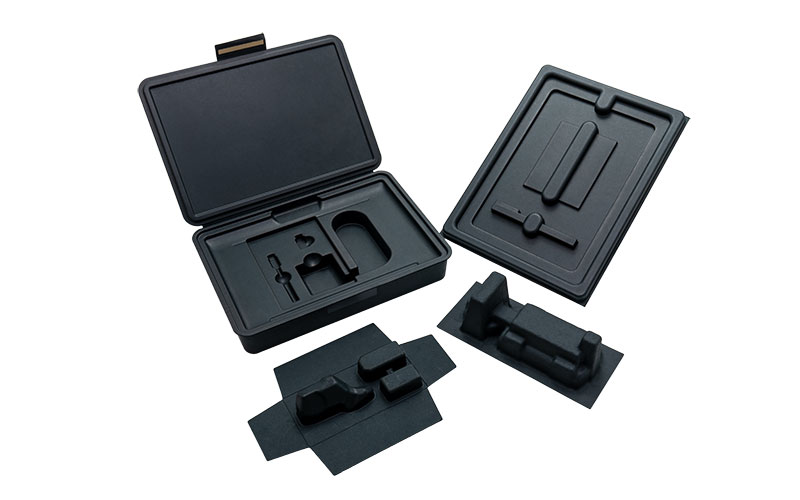
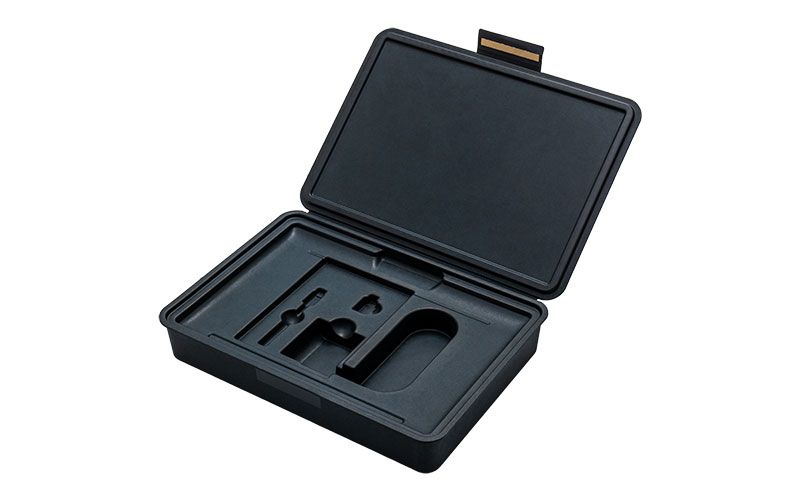
This is why molded pulp packaging is gaining attention in the premium consumer electronics market. It is valued not only because it is more environmentally friendly, but also because it can be custom-molded to match the contours of each product. Through precise structural design, molded pulp inserts can securely cradle products, reduce movement inside the box, and create a cleaner, more consistent overall presentation.
In other words, reducing plastic does not mean trading protection for sustainability. It means using better structural design to achieve a balance between protection, premium quality, and environmental responsibility.
Why Do Premium Brands Place Such Importance on Reducing Plastic Packaging? Three Key Reasons
1. Brand Image: The First Second of Unboxing Is Part of the Brand Experience
Premium products emphasize design, technology, and attention to detail. When consumers are willing to pay a premium for electronic products, they expect more than functionality—they expect a complete brand experience.
If the product itself is sleek and precisely engineered, but the box is filled with plastic materials, the overall experience immediately feels inconsistent. By contrast, clean, natural, and sustainably designed molded pulp inserts better extend the values a brand wants to communicate.
In this context, sustainable packaging does more than reduce plastic. It completes the brand image and demonstrates attention to both detail and responsibility from the very first moment of unboxing.
2. Supply Chain and Market Demands: Plastic Reduction Is Now a Competitive Advantage, Not an Optional Extra
Sustainability has become a central concern in global markets. Whether packaging is recyclable, biodegradable, and capable of reducing single-use plastic is increasingly being incorporated into brand and supply chain evaluation criteria.
For consumer electronics brands and OEM manufacturers, upgrading packaging is not merely a design issue. It also affects future supply chain risks and market competitiveness. As brand customers place greater emphasis on ESG, plastic reduction, and green supply chains, a supplier’s ability to provide verifiable sustainable packaging solutions becomes a key factor in partnership decisions.
Therefore, plastic reduction in premium consumer electronics is not a short-term trend—it reflects an ongoing transformation of industry standards. The earlier companies adopt packaging that combines recyclability, biodegradability, and structural protection, the better positioned they will be to gain an advantage in future markets.
3. The Unboxing Experience: Quality and Consistency Shape Brand Perception
Modern consumers have increasingly high expectations for the unboxing experience. Whether the product is neatly secured, whether the insert looks clean and uncluttered, and whether the material’s texture matches the brand identity all directly influence customer perception.
Paper-based and molded pulp structures can deliver a more natural, organized, and premium visual presentation while avoiding common plastic-related issues such as debris and static electricity. Compared with overly complicated or plastic-heavy packaging, matte, smooth molded pulp inserts allow the product itself to remain the visual focus while creating a cleaner and more streamlined unboxing process.
For premium brands, this is an essential part of managing the overall brand experience.
Will Protection Really Be Reduced After Plastic Is Removed?
This is one of the most common questions asked by brands and purchasing teams. The answer depends on structural design and manufacturing capabilities—not on whether the material is plastic.
Premium consumer electronics often contain precision components, delicate surfaces, and uneven weight distribution. Their packaging must therefore hold them securely and prevent damage during transportation. Custom molded pulp inserts can provide several essential functions:
- Secure the product in position and prevent movement inside the package.
- Create support points based on the product’s shape and accommodate different contours.
- Distribute external impact through structural design and reduce the risk of collision damage.
- Deliver a neat and consistent unboxing presentation that maintains the brand identity.
Koshin's molded pulp inserts for consumer electronics, for example, can produce edges and detailed recessed features with tolerances within 0.5 mm, providing a precise fit for high-tech products such as smartphones, headphones, and tablets. Certain pulp materials can also incorporate antistatic treatment to protect sensitive electronic components.
Molded pulp packaging is also lightweight and nestable, delivering practical savings in warehousing and transportation costs. In other words, whether sustainable packaging is suitable for premium consumer electronics depends on the precision of its structural design and manufacturing capabilities.
What Should Brands and OEM Manufacturers Confirm Before Adopting Molded Pulp Inserts?
Changing packaging involves more than simply replacing one specification with another. Several practical factors should be evaluated before making a decision.
Process Compatibility and Development Lead Time
Molded pulp offers considerable flexibility for customized shapes. However, the process from design and prototyping to tooling and mass production requires a certain development lead time.
Waiting until shortly before a product launch to begin discussions often means missing the most effective planning window. Early preparation is essential to ensure that plastic reduction can be successfully implemented.
One-Stop Supplier Capabilities
When prototyping, mold production, mass production, and shipment can all be completed at the same facility, brands benefit from better quality control, more reliable lead times, and stronger protection of confidential product information.
An integrated manufacturing process also reduces communication challenges and the risk of information leakage caused by outsourcing work to multiple suppliers.
Verifiability of Materials
The sustainable packaging market varies greatly in quality. Before adoption, companies should verify the source of raw materials and confirm whether there is concrete evidence supporting the material’s non-toxicity and biodegradability.
This is a fundamental step in avoiding the risk of greenwashing.
Koshin's Molded Pulp Insert Solutions: Giving Premium Technology Products a Naturally Sustainable Identity
With the growing demand for both plastic reduction and premium packaging, molded pulp has become a solution worthy of serious consideration by brands.
Koshin's molded pulp inserts for consumer electronics are specifically designed for premium electronic products and precision components. Made using molded pulp for devices such as smartphones, headphones, and tablets, these inserts feature precision molding within 0.5 mm, antistatic properties, and full biodegradability.
Their smooth, matte, and minimalist texture complements the clean and consistent aesthetic sought by today's leading technology brands.
The value of these molded pulp inserts goes beyond replacing plastic. They help brands rethink packaging design: how can packaging protect the product while also becoming an extension of the brand’s premium image and sustainability values?
When packaging must simultaneously support brand identity, consumer experience, environmental responsibility, and supply chain strategy, upgrading packaging means more than simply reducing plastic. It means redefining overall market competitiveness.
In the future, premium product packaging will place increasing emphasis on three priorities: protection, quality, and sustainability. Packaging materials capable of delivering all three will become an important source of brand differentiation.
Premium Molded Pulp Inserts for Consumer Electronics: Frequently Asked Questions from Brands and Purchasing Teams
Q1. Can molded pulp inserts really provide the same protection as traditional plastic inserts?
Yes. The key factor determining protection is structural design, not the material itself.
Custom molded pulp can be formed according to the product’s contours, securely holding it in place, creating support points based on weight distribution, and dispersing external impact through structural design. It can therefore provide sufficient and reliable protection for precision premium consumer electronics.
Q2. Premium consumer electronics require a precise fit. How detailed can molded pulp packaging be?
Koshin's molded pulp inserts for consumer electronics can produce edges and detailed recessed features within 0.5 mm, allowing them to closely fit the contours of smartphones, headphones, tablets, and other high-tech devices while maintaining a neat and consistent unboxing presentation.
Q3. Sensitive electronic components may be damaged by static electricity. Can molded pulp provide antistatic protection?
Yes. Molded pulp packaging inherently offers antistatic properties that can help reduce the risks posed by static electricity to sensitive electronic components. It is suitable for consumer electronics and electronic component packaging that requires electrostatic protection.
Koshin Eco Technology can also provide comprehensive antistatic test reports.
Q4. Are molded pulp inserts genuinely sustainable and recyclable?
The raw materials used by Koshin are made from 100% recyclable and naturally biodegradable pulp.
Wet-pressed molded pulp can be produced from virgin wood pulp, bagasse pulp, bamboo pulp, and other natural fibers. Dry-pressed molded pulp can be made from recycled corrugated paper and production offcuts.
These materials can decompose under natural conditions and do not cause the same long-term pollution as conventional plastics, directly supporting brand requirements for ESG performance and green supply chains.
Q5. How long does it typically take to develop molded pulp inserts, from initial consultation to mass production?
Molded pulp offers considerable flexibility in customized shapes, but the process from design and prototyping to tooling and mass production requires a development period of approximately 45–60 days, depending on the project.
We recommend planning well before the product launch and allowing sufficient time for design and prototyping to ensure the successful implementation of plastic-free packaging.
Koshin provides one-stop services covering prototyping, tooling, and mass production, helping reduce communication time and shorten overall lead times.
Begin Your Packaging Upgrade by Choosing the Right Material
Koshin Eco Technology has specialized in molded pulp manufacturing since 2004, with more than 20 years of industry experience.
Our entire manufacturing process—including design and development, prototype sampling, mold production, pulp molding, precision finishing, quality inspection, and shipment—is completed at our own facility. This ensures consistent manufacturing quality while fully protecting our customers' confidential product information.
All raw materials used are 100% recyclable and naturally biodegradable, supporting resource reuse and carbon-reduction goals.
If your brand or product line is evaluating the feasibility of adopting premium molded pulp inserts for consumer electronics, we welcome the opportunity to discuss your requirements. From requirement analysis and structural design to prototyping and mass production, Koshin provides comprehensive, one-stop consulting and manufacturing services for sustainable molded pulp packaging.